What Is Another Way to Say I Agree? 10 Options
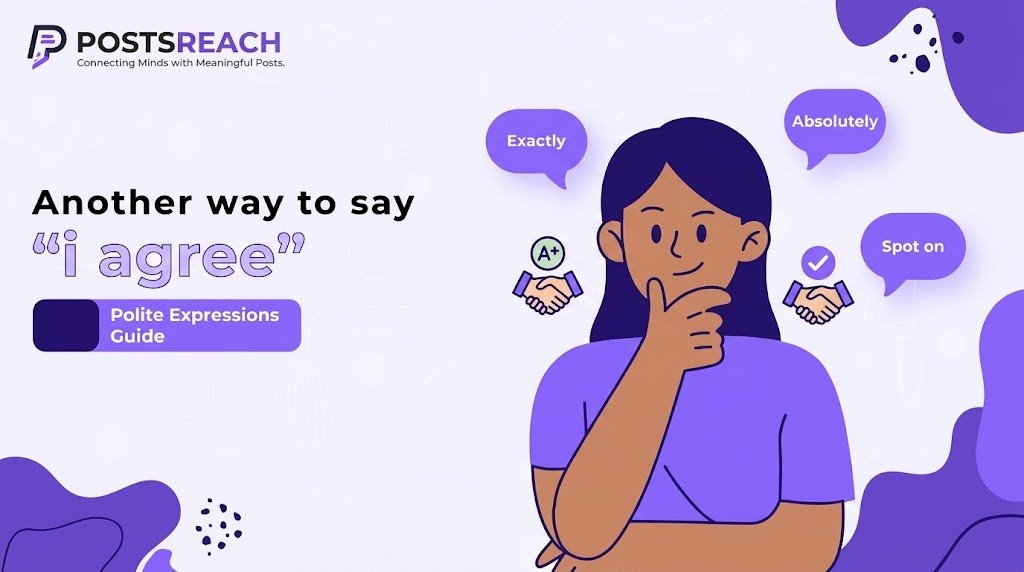
Another way to say “I agree” is “I’m on the same page,” “That makes sense,” “Absolutely,” or “I couldn’t agree more.” For professional conversations, try “I’m in agreement” or “I support that.” In casual settings, “You’re right” and “That’s exactly how I feel” sound natural. Choose a phrase that matches your tone and level of agreement.
Key Takeaways
- “I’m on the same page” signals shared understanding.
- “I couldn’t agree more” expresses strong agreement.
- “That makes sense” shows that you understand someone’s reasoning.
- “I support that” works well in professional discussions.
- The best alternative depends on context, tone, and how strongly you agree.
What Does “What Is Another Way to Say I Agree” Mean?
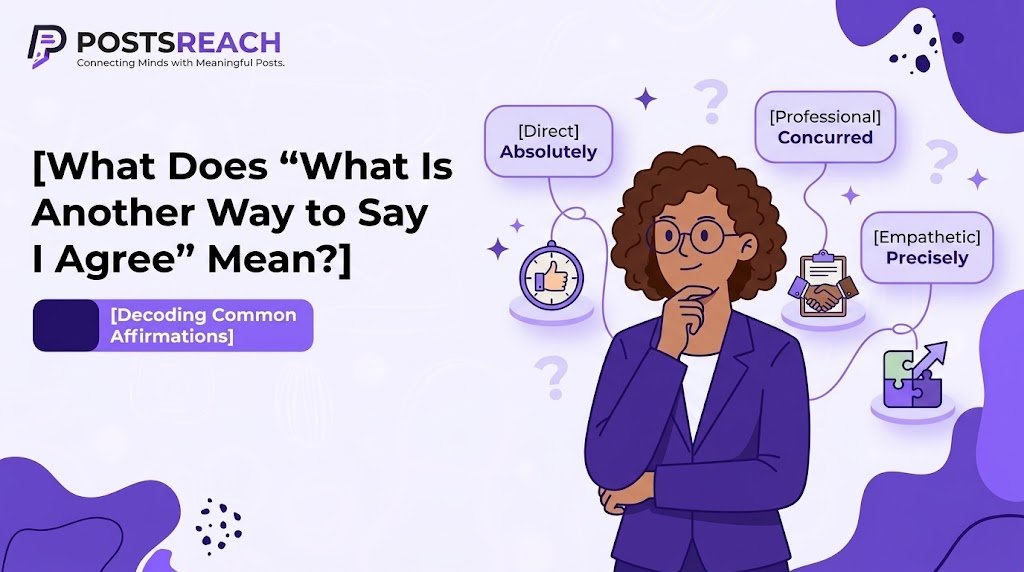
The phrase “I agree” means that you share someone’s opinion, accept their point, or support a suggestion. It is simple and widely understood, which makes it useful in everyday conversations, meetings, emails, and discussions.
However, repeating the same expression can make communication sound less engaging. People often look for alternatives to show agreement more naturally, add emphasis, or match the tone of a particular situation.
For example, “That makes sense” shows understanding, while “I couldn’t agree more” expresses strong support. Choosing the right phrase helps you communicate not only agreement but also how you feel about the other person’s point.
Why Use Other Ways to Say “I Agree”?
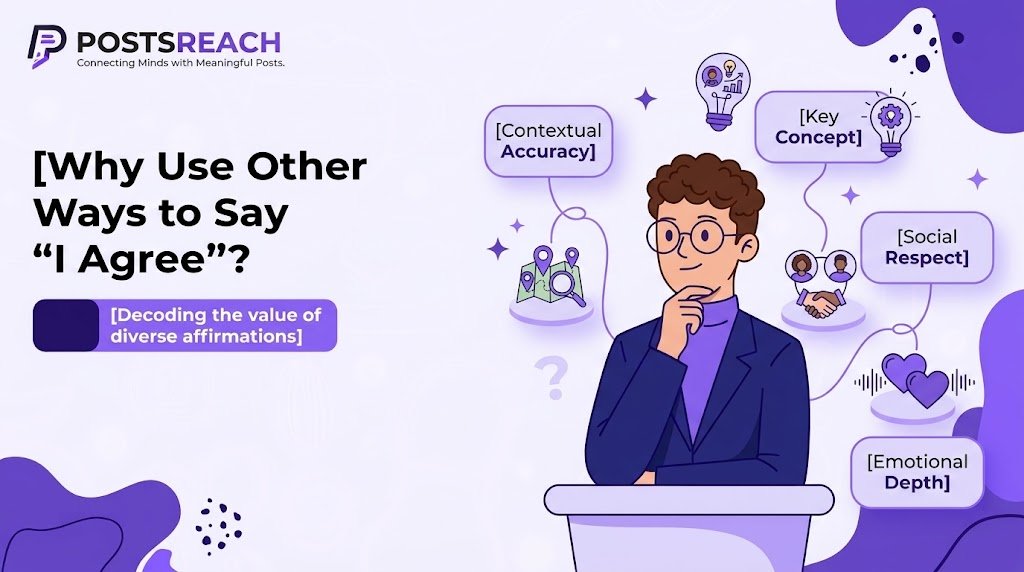
Different expressions can make your response more specific and natural. Instead of using the same phrase every time, you can show understanding, enthusiasm, or support.
Using alternatives can help you:
- Avoid repeating the same expression.
- Sound more natural in conversations.
- Match formal, casual, and professional situations.
- Show how strongly you support an idea.
- Make discussions feel more thoughtful and engaging.
- Communicate agreement without sounding overly direct.
The key is to choose a phrase that reflects your actual response. Some alternatives show full agreement, while others simply indicate that a point seems reasonable.
10 Best Other Ways to Say “I Agree”
1. I’m on the Same Page
Meaning
“I’m on the same page” means that you understand someone’s point and share their view or plan. It is especially useful when people are discussing goals, expectations, or next steps.
The expression emphasizes shared understanding as well as agreement.
Best For
- Professional
- Friendly
- Casual
Example 1
I’m on the same page about keeping the launch date unchanged.
Example 2
We’re on the same page about what needs to happen before Friday.
Quick Tip
Use this phrase when you agree with a plan or want to confirm that everyone understands it the same way.
2. I Couldn’t Agree More
Meaning
“I couldn’t agree more” expresses very strong agreement. It means that you agree completely with what someone has said.
This phrase is more emphatic than a simple “I agree,” so it works best when you genuinely support the point.
Best For
- Professional
- Friendly
- Warm
Example 1
I couldn’t agree more; customer feedback should guide our next update.
Example 2
I couldn’t agree more with your view on the importance of clear communication.
Quick Tip
Use this when you want to show enthusiastic or complete agreement, not just mild approval.
3. Absolutely
Meaning
“Absolutely” is a short, confident way to express agreement. It can communicate strong support, confirmation, or willingness to follow a suggestion.
Its meaning depends on context, but it usually sounds positive and direct.
Best For
- Professional
- Casual
- Friendly
Example 1
“Should we send the revised proposal today?” “Absolutely.”
Example 2
Absolutely, adding captions will make the video easier to follow.
Quick Tip
A single-word response works well in conversation, but add a short explanation in formal writing when more detail is needed.
4. That Makes Sense
Meaning
“That makes sense” means that you understand someone’s reasoning and find it logical. It often signals agreement with an explanation rather than complete support for every part of an idea.
It is a thoughtful way to respond without sounding overly enthusiastic.
Best For
- Professional
- Casual
- Polite
Example 1
That makes sense; the earlier deadline gives us more time to review the work.
Example 2
Your suggestion makes sense given the amount of time we have.
Quick Tip
Use this when you agree with someone’s reasoning. If you want to show full support, follow it with a phrase such as “I’m on board.”
5. You’re Right
Meaning
“You’re right” directly acknowledges that someone has made a correct or valid point. It can also show that you have reconsidered your view and now agree.
The phrase is simple and natural, though its tone can change depending on how it is said.
Best For
- Casual
- Friendly
- Polite
Example 1
You’re right; we should check the figures before making a decision.
Example 2
You’re right about the schedule. I overlooked the holiday.
Quick Tip
Use this when someone has corrected you or made a point you recognize as valid.
6. I’m in Agreement
Meaning
“I’m in agreement” is a more formal way to express the same view as another person. It is clear and professional, though it can sound more structured than everyday conversation.
It is often suitable for written discussions or formal meetings.
Best For
- Professional
- Formal
Example 1
I’m in agreement with the proposed changes to the review process.
Example 2
Our team is in agreement that the current plan meets the project requirements.
Quick Tip
This phrase works in formal communication, but “I agree” is often simpler and more natural in casual conversation.
7. I’m on Board
Meaning
“I’m on board” means that you support an idea, plan, or decision and are willing to participate. It often suggests more than agreement: it can also show readiness to take action.
This makes it useful when discussing projects or shared plans.
Best For
- Professional
- Friendly
- Casual
Example 1
I’m on board with testing the new design before the full rollout.
Example 2
If everyone is on board, we can start planning the event this week.
Quick Tip
Use this phrase when you agree with a proposal and are also willing to help move it forward.
8. That’s Exactly How I Feel
Meaning
“That’s exactly how I feel” shows that someone’s statement matches your own thoughts or feelings. It often adds a personal or emotional connection to the conversation.
The expression is more personal than a neutral statement of agreement.
Best For
- Friendly
- Warm
- Casual
Example 1
That’s exactly how I feel about making more time for family.
Example 2
You described it perfectly; that’s exactly how I feel about the decision.
Quick Tip
Use this when you share someone’s personal view or emotional reaction, rather than simply agreeing with a fact.
9. I Support That
Meaning
“I support that” communicates approval of an idea, decision, or action. It is especially useful when someone proposes a change or asks for backing.
The phrase sounds purposeful and can imply that you are willing to stand behind the decision.
Best For
- Professional
- Formal
- Polite
Example 1
I support that recommendation because it addresses the main issue.
Example 2
I support the proposal to make the onboarding process more accessible.
Quick Tip
Use this when you want to show clear approval of a decision, policy, or plan.
10. You Have a Point
Meaning
“You have a point” acknowledges that someone has made a reasonable argument. It can show partial agreement or recognition that their perspective deserves consideration.
Unlike “I completely agree,” it does not always mean that you accept the entire argument.
Best For
- Casual
- Friendly
- Polite
Example 1
You have a point about the cost; we should compare a few more options.
Example 2
You have a point, and I hadn’t considered how the change might affect new users.
Quick Tip
Use this when you recognize the value of someone’s argument but may still have questions or a different view.
Comparison Table
| Alternative | Best Used In | Tone |
|---|---|---|
| I’m on the Same Page | Plans, teamwork, shared goals | Collaborative |
| I Couldn’t Agree More | Strong agreement | Emphatic |
| Absolutely | Quick responses and confirmation | Confident |
| That Makes Sense | Reasoning and explanations | Thoughtful |
| You’re Right | Acknowledging a valid point | Direct |
| I’m in Agreement | Formal discussions and writing | Formal |
| I’m on Board | Supporting a plan or proposal | Positive |
| That’s Exactly How I Feel | Personal views and emotions | Warm |
| I Support That | Decisions and recommendations | Professional |
| You Have a Point | Partial agreement or acknowledgment | Considerate |
Common Mistakes
1. Using Casual Expressions in Formal Writing
Phrases such as “Absolutely” and “I’m on board” can work in many workplace conversations, but may sound too informal in certain official documents. Choose wording that fits the audience and purpose.
2. Treating Every Alternative as Complete Agreement
“I couldn’t agree more” means strong agreement, while “You have a point” may only recognize part of an argument. Choose the expression that accurately reflects your position.
3. Overusing Strong Agreement
Using “I couldn’t agree more” for every small point can sound exaggerated. A simple “That makes sense” may be more natural when you agree with someone’s reasoning but feel no strong emotion.
4. Agreeing Without Showing Understanding
In a detailed discussion, saying only “I agree” may not show that you understood the point. Briefly explain what you support, especially when discussing plans, decisions, or complex ideas.
5. Using Agreement to Avoid Sharing Your View
Agreeing just to end a conversation can create confusion. If you agree with only part of a statement, say so clearly instead of giving the impression that you support the entire idea.
Frequently Asked Questions
What is the best professional way to say “I agree”?
“I’m in agreement,” “I support that,” and “That makes sense” are useful professional alternatives. Choose “I support that” when backing a decision, “That makes sense” when you understand someone’s reasoning, and “I’m in agreement” when you want a more formal tone.
What is a casual way to say “I agree”?
“Absolutely,” “You’re right,” and “I’m on board” are natural casual options. “Absolutely” is quick and confident, while “You’re right” acknowledges a valid point. “I’m on board” is especially useful when you agree with a plan and are ready to participate.
How do you express strong agreement?
“I couldn’t agree more” is one of the clearest ways to express strong agreement. You can also say “Absolutely” or “That’s exactly how I feel.” These expressions show more enthusiasm or personal connection than a neutral response such as “I agree.”
Is “I’m on the same page” the same as “I agree”?
They are similar, but not identical. “I’m on the same page” often emphasizes shared understanding of a plan, goal, or expectation. “I agree” more directly expresses that you share someone’s opinion. The first can be especially useful when confirming that a team understands a task in the same way.
What can I say instead of “I agree” in an email?
In a professional email, you can write “I support this approach,” “That makes sense,” or “I’m in agreement with the recommendation.” If the message is short and conversational, “Absolutely” may also work. Add a brief reason when it helps clarify why you agree.
How do you agree without saying “I agree”?
Try “That makes sense,” “You’re right,” “I’m on board,” or “I support that.” Each phrase communicates a slightly different response. For example, “That makes sense” acknowledges reasoning, while “I support that” shows approval of a plan or decision.
Does “You have a point” mean full agreement?
Not always. “You have a point” means that someone has made a reasonable or worthwhile argument. You may agree with part of their view while still holding a different opinion about other details. It is useful when you want to acknowledge someone’s reasoning without overstating your agreement.
What is a polite way to agree with someone?
“That makes sense,” “I see your point,” and “I’m on the same page” are polite ways to show agreement. They acknowledge the other person’s perspective without sounding forceful. In professional settings, “I support that recommendation” is also a clear and respectful option.
Conclusion
There are many ways to express agreement without repeating “I agree.” The best phrase depends on how strongly you agree and what you want your response to communicate. “I’m on the same page” is useful when confirming shared understanding, while “I couldn’t agree more” shows complete support. “That makes sense” acknowledges someone’s reasoning, and “I support that” works well when backing a decision.
For casual conversations, “Absolutely” and “You’re right” sound natural. In professional communication, choose a phrase that is clear and appropriate for the audience. Remember that not every expression means full agreement: “You have a point” can simply recognize a reasonable argument. Match your words to your real opinion, and your response will sound more thoughtful and genuine.

The PostsReach Editorial Team develops, reviews, and maintains the site’s published content. The team works across topics to ensure articles are clear, useful, well-structured, and consistent with PostsReach’s editorial standards. Content may be reviewed and updated as information changes.