
Stop Saying “Coming in Clutch”: 10 Better Phrases to Use
Another way to say “coming in clutch” includes “coming through,” “saving the day,” “stepping up,” “being a lifesaver,” and “coming through at the right time.” The best choice depends on context. Use casual phrases for friends and sports, while “providing timely support” or “stepping up when needed” works better in professional settings.
Key Takeaways
- “Coming in clutch” means providing important help or performing well at a critical moment.
- “Coming through” is the closest natural alternative for everyday conversation.
- “Saving the day” adds a stronger sense that someone prevented a problem.
- “Stepping up” works well when someone takes responsibility under pressure.
- For professional writing, use phrases such as “providing timely support” or “delivering when it mattered.”
What Does “Coming in Clutch” Mean?

“Coming in clutch” is an informal American expression for helping, succeeding, or providing exactly what is needed at an important moment. The phrase often suggests that the timing mattered as much as the action itself.
For example, if a friend brings you the notes you need right before an important test, you might say, “You really came in clutch.” In sports, it can describe a player who performs well under pressure at a decisive point in a game.
The expression is common in sports, gaming, texting, social media, and casual conversations. It can describe people, actions, or even useful things: “That portable charger came in clutch.”
The key idea is not simply that something was helpful. It was helpful when it mattered most.
Why Use Other Ways to Say “Coming in Clutch”?

“Coming in clutch” is useful, but it is casual slang. A different phrase can make your message clearer or better suited to your audience.
You might want another expression to:
- Avoid repeating the same slang.
- Sound more natural in a specific situation.
- Communicate the importance of someone’s help.
- Use language that fits school or professional writing.
- Show gratitude without sounding overly casual.
- Emphasize timing, effort, reliability, or performance.
The best alternative depends on what “coming in clutch” means in your sentence. Someone who solves a problem, performs under pressure, or simply arrives with something useful may need different wording.
10 Best Other Ways to Say “Coming in Clutch”

1. Coming Through
Meaning
“Coming through” is one of the closest everyday alternatives to “coming in clutch.” It means someone delivered the help, result, or support that was needed.
It works especially well when you want to thank someone without making the situation sound overly dramatic.
Best For
- Casual
- Friendly
- Warm
Example 1
“You came through with those concert tickets when I thought we were out of options.”
Example 2
“Thanks for coming through with the notes before class.”
Quick Tip
Use “coming through” when the main idea is that someone delivered on what you needed.
2. Saving the Day
Meaning
“Saving the day” suggests that someone’s action prevented a problem or turned a difficult situation around. It is more expressive than “coming through” and often has a playful tone.
Best For
- Casual
- Friendly
- Warm
Example 1
“You saved the day by bringing an extra charger.”
Example 2
“Her quick fix saved the day when the presentation stopped working.”
Quick Tip
Use this when someone’s help made a noticeable difference in the outcome.
3. Stepping Up
Meaning
“Stepping up” means taking action when a situation requires effort, responsibility, or confidence. Unlike “coming in clutch,” it focuses more on someone’s willingness to respond than on timing alone.
Best For
- Professional
- Formal
- Friendly
Example 1
“Jordan stepped up and handled the client presentation when our manager was unavailable.”
Example 2
“She stepped up when the team needed someone to organize the project.”
Quick Tip
Choose “stepping up” when you want to praise responsibility or leadership.
4. Being a Lifesaver
Meaning
“Being a lifesaver” is a friendly way to say that someone’s help was extremely valuable. It does not usually refer to literal danger; instead, it expresses strong appreciation for timely assistance.
Best For
- Casual
- Friendly
- Warm
Example 1
“You’re a lifesaver for picking me up after my ride canceled.”
Example 2
“That extra set of notes was a lifesaver before the exam.”
Quick Tip
Use this when you want your gratitude to sound personal and enthusiastic.
5. Coming Through at the Right Time
Meaning
This phrase directly highlights the timing that makes “coming in clutch” special. It is clearer and more neutral than the slang expression while keeping the same basic idea.
Best For
- Friendly
- Polite
- Professional
Example 1
“You came through at the right time with the information we needed.”
Example 2
“Her advice came through at the right time and helped us avoid a mistake.”
Quick Tip
Use this when timing is the most important part of the message.
6. Pulling Through
Meaning
“Pulling through” means successfully getting through a difficult situation or providing the support needed to overcome it. It can describe a person, team, or effort that succeeds despite pressure.
Best For
- Casual
- Friendly
- Warm
Example 1
“Our team was exhausted, but everyone pulled through and finished the project.”
Example 2
“Thanks for pulling through when we needed an extra person.”
Quick Tip
Use “pulling through” when the situation involved difficulty, pressure, or uncertainty.
7. Delivering When It Mattered
Meaning
“Delivering when it mattered” emphasizes successful performance during an important moment. It is particularly useful when someone achieved a result rather than simply offering assistance.
Best For
- Professional
- Formal
- Friendly
Example 1
“She delivered when it mattered and gave the team the result we needed.”
Example 2
“The goalkeeper delivered when it mattered most during the final minutes.”
Quick Tip
Use this for performance-based situations, especially sports, work, or competitions.
8. Coming to the Rescue
Meaning
“Coming to the rescue” means helping someone out of a difficult or inconvenient situation. It can sound dramatic, but people often use it humorously for ordinary problems.
Best For
- Casual
- Friendly
- Warm
Example 1
“My brother came to the rescue when I locked my keys inside.”
Example 2
“Thanks for coming to the rescue with an extra laptop.”
Quick Tip
Use this when someone’s action solved a problem that needed immediate attention.
9. Providing Timely Support
Meaning
“Providing timely support” is a more professional way to express the useful timing behind “coming in clutch.” It focuses on assistance that arrived when it was needed rather than using slang.
Best For
- Professional
- Formal
- Polite
Example 1
“Thank you for providing timely support during the final stage of the project.”
Example 2
“Your team provided timely support when we encountered an unexpected issue.”
Quick Tip
Use this in emails, reports, workplace messages, and other professional communication.
10. Being There When Needed
Meaning
“Being there when needed” emphasizes reliability and support. It is broader than “coming in clutch” because the help does not have to happen at the last possible moment.
Best For
- Professional
- Friendly
- Warm
- Polite
Example 1
“Thank you for being there when we needed extra help.”
Example 2
“A reliable teammate is someone who is there when needed.”
Quick Tip
Choose this when you want to praise dependability rather than a dramatic last-minute save.
Comparison Table
| Alternative | Best Used In | Tone |
|---|---|---|
| Coming Through | Casual conversations | Friendly |
| Saving the Day | Everyday situations | Playful |
| Stepping Up | Work, leadership, teams | Professional |
| Being a Lifesaver | Personal help | Warm |
| Coming Through at the Right Time | General communication | Polite |
| Pulling Through | Difficult situations | Supportive |
| Delivering When It Mattered | Sports, work, performance | Confident |
| Coming to the Rescue | Problems and emergencies | Casual |
| Providing Timely Support | Workplace communication | Formal |
| Being There When Needed | Relationships and teamwork | Warm |
Common Mistakes
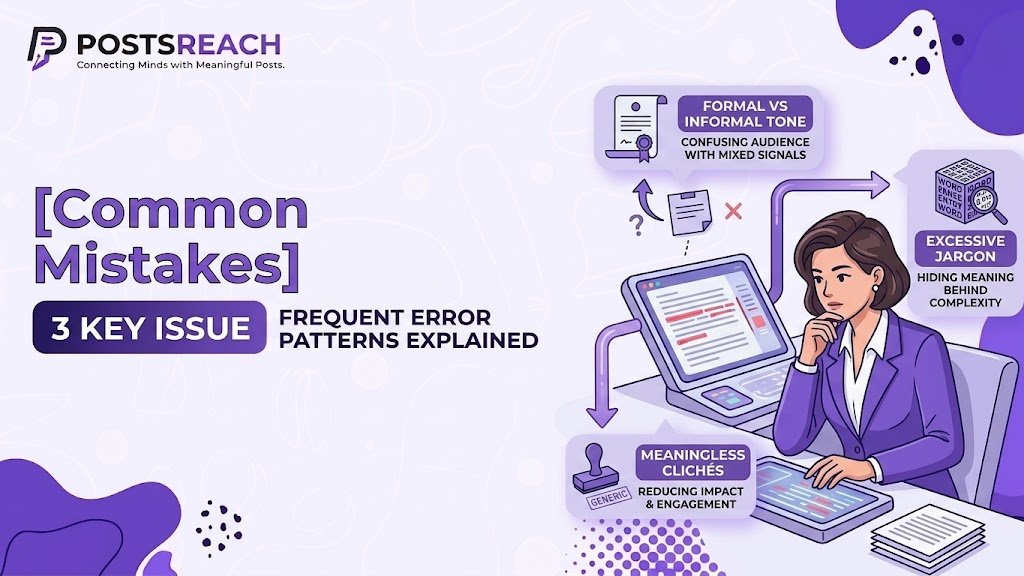
1. Using Casual Slang in Formal Writing
“Coming in clutch” sounds natural in a text or social media post, but it may feel too informal in a business email or report. Use “providing timely support” or “stepping up” when a professional tone matters.
2. Treating Every Alternative as an Exact Synonym
These phrases overlap, but they do not emphasize the same idea. “Stepping up” focuses on responsibility, while “delivering when it mattered” focuses on successful performance.
3. Using “Saving the Day” for Routine Help
“Saving the day” often adds emphasis or humor. If someone simply answered a normal question, saying they “saved the day” may sound exaggerated.
4. Ignoring the Importance of Timing
The word “clutch” carries an important timing element. If you replace it with a phrase that only means “helpful,” you may lose part of the original meaning.
5. Choosing a Professional Phrase in a Casual Conversation
“Providing timely support” is accurate, but it can sound stiff in a text to a friend. In casual situations, “You came through” or “You’re a lifesaver” usually sounds more natural.
Frequently Asked Questions
What is another way to say “coming in clutch”?
Some natural alternatives are “coming through,” “saving the day,” “stepping up,” “being a lifesaver,” and “coming to the rescue.” For professional communication, “providing timely support” or “delivering when it mattered” can work better. The best option depends on whether you want to emphasize timing, assistance, reliability, or performance.
What is the closest synonym for “coming in clutch”?
“Coming through” is probably the closest casual alternative because both phrases describe someone providing what is needed at an important moment. However, “coming through” is broader and does not always suggest the same pressure or urgency. If the situation involved a difficult problem, “coming to the rescue” may communicate the idea more strongly.
Is “coming in clutch” slang?
Yes. “Coming in clutch” is an informal slang expression that developed from the sports-related use of “clutch” for important performances under pressure. Its meaning has expanded into everyday American English, where people use it for timely help, useful actions, and successful responses in difficult moments.
Can I use “coming in clutch” in a professional email?
You can, but it is usually better to choose more neutral wording in professional communication. Phrases such as “providing timely support,” “stepping up,” or “delivering when it mattered” sound more polished. If you have a relaxed relationship with the recipient, “coming through” may still be appropriate.
What does “you came in clutch” mean?
“You came in clutch” means “you helped at exactly the right time” or “you did something important when I really needed it.” It is usually a compliment. For example, if a coworker quickly fixes a problem before a deadline, you might thank them by saying, “You really came in clutch.”
Is “coming through” the same as “coming in clutch”?
They are similar, but not identical. “Coming through” mainly means delivering or helping as expected, while “coming in clutch” adds the idea that the help arrived at a critical or especially useful moment. Therefore, “coming in clutch” usually carries more emphasis on timing and pressure.
What is a professional way to say “coming in clutch”?
A professional alternative depends on the situation. “Providing timely support” works well when someone helped at an important point. “Stepping up” is better when someone accepted responsibility, while “delivering when it mattered” fits situations where someone achieved an important result under pressure.
Can “coming in clutch” describe an object?
Yes. In informal American English, people can describe an object or resource as “clutch” when it proves extremely useful at the right moment. For example, a portable charger can be “clutch” when a phone is almost dead. The phrase can therefore describe useful things as well as people or actions.
Conclusion
“Coming in clutch” is a useful casual phrase for describing timely help, strong performance, or a solution that arrives when it matters most. However, the best alternative depends on the exact situation.
Use “coming through” for everyday conversations, “saving the day” for a playful expression of gratitude, and “stepping up” when someone takes responsibility. If the focus is performance, “delivering when it mattered” is a strong choice. For professional communication, “providing timely support” sounds clearer and more polished.
The main point is to preserve the meaning behind “clutch”: the action was not merely helpful; it was helpful at an important moment. Choose the phrase that matches the timing, tone, and type of help you want to describe.

Adrian Vale is a digital content specialist focused on practical online content, emerging topics, and reader-focused publishing. He works on structuring articles for clarity and discoverability while keeping the writing natural, useful, and accessible to a broad audience.