

10 Alternatives to “Grew Up” That Sound More Natural
Another way to say “grew up” includes “was raised,” “was brought up,” “came of age,” “matured,” “developed,” “spent my childhood,” “was born and raised,” “grew into adulthood,” “was raised in,” and “came from.” The best choice depends on context. Use “was raised” for childhood, “came of age” for maturity, and “spent my childhood” for personal memories.
Key Takeaways
- “Grew up” can describe where someone was raised, their childhood, or their development into adulthood.
- “Was raised” is one of the closest alternatives when discussing someone’s childhood or upbringing.
- “Was brought up” works well when describing how someone was raised and influenced by family or culture.
- “Came of age” emphasizes the transition from childhood toward adulthood.
- “Matured” focuses on personal or emotional development rather than where someone lived.
What Does “Grew Up” Mean?

“Grew up” commonly means to spend your childhood and develop into an adult. It can refer to the place where someone lived as a child, the family or culture that influenced them, or the process of becoming more mature.
For example, “I grew up in Texas” tells someone about your childhood location. In “She grew up in a close-knit family,” the phrase describes her upbringing and home environment.
The expression can also describe personal development. Someone might say, “He really grew up after taking on more responsibility,” meaning that he became more mature.
Because “grew up” has several uses, the best alternative depends on what you actually want to say. A phrase describing childhood location will not always work when the focus is emotional or personal maturity.
Why Use Other Ways to Say “Grew Up”?

“Grew up” is natural and common, but repeating it can make writing feel predictable. More specific alternatives can also tell readers exactly what part of someone’s childhood or development you mean.
You may want another expression to:
- Avoid repeating the same phrase.
- Describe someone’s upbringing more precisely.
- Explain where someone spent their childhood.
- Focus on family, culture, or environment.
- Describe becoming more mature.
- Make personal stories more vivid.
- Adapt your wording for professional or formal writing.
The key is to choose an alternative based on meaning. “Was raised” describes upbringing, while “matured” describes development. They may overlap in some sentences, but they are not interchangeable.
10 Best Other Ways to Say “Grew Up”
1. Was Raised
Meaning
“Was raised” is one of the closest alternatives to “grew up” when talking about someone’s childhood. It focuses on the environment, family, community, or circumstances in which a person was brought up.
Best For
- Professional
- Formal
- Friendly
- Polite
Example 1
“Maria was raised in a small town outside Denver.”
Example 2
“He was raised by his grandparents and learned the value of hard work early.”
Quick Tip
Use “was raised” when you want to emphasize a person’s upbringing rather than simply saying where they lived.
2. Was Brought Up
Meaning
“Was brought up” describes how or where someone was raised, often with attention to family values, traditions, or beliefs. It is very close in meaning to “was raised.”
Best For
- Formal
- Professional
- Friendly
Example 1
“She was brought up in a family that valued education.”
Example 2
“He was brought up in Chicago and still considers it home.”
Quick Tip
Choose this phrase when the sentence focuses on the influence of family, culture, or values.
3. Came of Age
Meaning
“Came of age” refers to reaching the stage of life when a person becomes an adult or develops greater maturity. It often describes an important period of personal development rather than simply describing childhood.
Best For
- Formal
- Professional
- Warm
Example 1
“She came of age during a period of major social change.”
Example 2
“He came of age in a family business and eventually became its leader.”
Quick Tip
Use “came of age” when the transition toward adulthood is more important than the person’s childhood location.
4. Matured
Meaning
“Matured” means to become more emotionally, mentally, or behaviorally mature. It is useful when “grew up” means that someone changed as a person rather than physically moved from childhood into adulthood.
Best For
- Professional
- Formal
- Friendly
Example 1
“She matured significantly after taking responsibility for the project.”
Example 2
“Over the years, he matured into a thoughtful and dependable leader.”
Quick Tip
Use “matured” when the main idea is personal growth, judgment, or emotional development.
5. Spent My Childhood
Meaning
“Spent my childhood” directly describes the period and place where someone lived as a child. It works especially well in personal stories because it highlights the experience of childhood rather than the process of becoming an adult.
Best For
- Casual
- Friendly
- Warm
Example 1
“I spent my childhood near the coast and still miss the ocean.”
Example 2
“She spent her childhood visiting her grandparents every summer.”
Quick Tip
Use this phrase when talking about memories, places, activities, or experiences from childhood.
6. Was Born and Raised
Meaning
“Was born and raised” combines someone’s birthplace with the place where they spent their childhood. It is useful when both facts are true and you want to describe someone’s connection to a location clearly.
Best For
- Casual
- Friendly
- Professional
Example 1
“He was born and raised in Seattle.”
Example 2
“She was born and raised in a rural community in Iowa.”
Quick Tip
Use this only when the person was actually born in the same place where they were raised.
7. Grew Into Adulthood
Meaning
“Grew into adulthood” emphasizes the process of moving from childhood toward adult life. It is useful when you want to describe development over time rather than simply stating where someone lived.
Best For
- Formal
- Professional
- Warm
Example 1
“She grew into adulthood surrounded by teachers who encouraged her curiosity.”
Example 2
“He grew into adulthood with a strong interest in community service.”
Quick Tip
Use this phrase when the transition from childhood to adulthood is central to your sentence.
8. Was Raised in
Meaning
“Was raised in” is especially useful when the location or environment matters. It can describe a city, state, country, neighborhood, community, or particular type of setting.
Best For
- Professional
- Formal
- Friendly
Example 1
“Daniel was raised in a diverse neighborhood in Los Angeles.”
Example 2
“She was raised in rural Montana before moving to New York.”
Quick Tip
This is a strong choice when you want to replace “grew up in” with more polished wording.
9. Came From
Meaning
“Came from” can describe someone’s background, origins, family, or social environment. It is broader than “grew up,” so it should be used when the sentence is about someone’s background rather than specifically about their childhood.
Best For
- Casual
- Friendly
- Professional
Example 1
“She came from a family of teachers and developed a passion for education.”
Example 2
“He came from a small farming community in western Kansas.”
Quick Tip
Use “came from” when you want to emphasize background or origins, not necessarily the entire childhood experience.
10. Developed Into
Meaning
“Developed into” describes a person or thing changing into a more mature, capable, or advanced form. For people, it works when “grew up” refers to development rather than physical age.
Best For
- Professional
- Formal
Example 1
“The quiet student developed into a confident public speaker.”
Example 2
“Over several years, the young designer developed into a skilled creative director.”
Quick Tip
Use “developed into” when you want to highlight the result of gradual personal or professional growth.
Comparison Table
| Alternative | Best Used In | Tone |
|---|---|---|
| Was Raised | Childhood and upbringing | Neutral |
| Was Brought Up | Family and values | Formal |
| Came of Age | Transition to adulthood | Reflective |
| Matured | Personal development | Professional |
| Spent My Childhood | Memories and experiences | Warm |
| Was Born and Raised | Birthplace and upbringing | Neutral |
| Grew Into Adulthood | Life-stage development | Reflective |
| Was Raised In | Childhood location | Neutral |
| Came From | Background and origins | Conversational |
| Developed Into | Personal or professional growth | Formal |
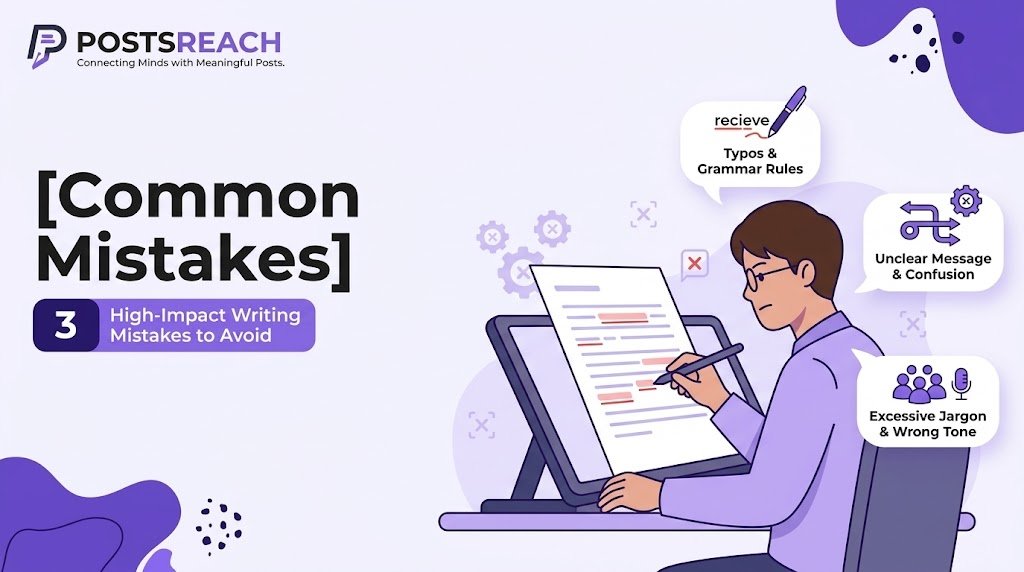
Common Mistakes
1. Using “Matured” When You Mean Childhood Location
“Matured” does not tell readers where someone spent their childhood. If your sentence is “I grew up in Florida,” “I was raised in Florida” is much more accurate.
2. Assuming “Was Born and Raised” Always Works
This phrase specifically connects birth and upbringing to the same location. If someone was born in one city but raised somewhere else, use “was raised in” instead.
3. Using “Came of Age” as a Direct Replacement Everywhere
“Came of age” emphasizes reaching adulthood or maturity. It cannot always replace “grew up,” especially when the original sentence simply describes a person’s childhood home.
4. Using “Came From” Too Broadly
“Came from” can describe family, culture, location, or background. It does not always communicate that someone spent their childhood in that environment.
5. Ignoring the Sentence’s Main Focus
Before choosing an alternative, ask what “grew up” means in your sentence. Is it about location, family, childhood experiences, maturity, or personal development? The answer determines the strongest replacement.
Frequently Asked Questions
What is another way to say “grew up”?
Common alternatives include “was raised,” “was brought up,” “spent my childhood,” “came of age,” and “matured.” “Was raised” is usually the closest choice when discussing childhood or upbringing. If the sentence focuses on becoming more mature, “matured” or “came of age” may be more accurate.
What is the most common synonym for “grew up”?
“Was raised” is one of the most natural alternatives when “grew up” refers to childhood and upbringing. For example, “I grew up in Boston” can become “I was raised in Boston.” The two phrases are very similar, although “was raised” puts slightly more focus on the person’s upbringing.
What is another way to say “I grew up”?
Depending on your meaning, you can say “I was raised,” “I spent my childhood,” “I was brought up,” or “I was born and raised.” For example, “I grew up in Ohio” can become “I was raised in Ohio.” For a sentence about becoming mature, “I came of age” may work better.
What is a professional way to say “grew up”?
“Was raised” is usually the safest professional alternative when describing someone’s childhood. For example, “She grew up in a rural community” can become “She was raised in a rural community.” In more formal writing, “came of age” or “developed into” may work when the context focuses on maturity or development.
Can “raised” replace “grew up”?
Often, yes, but the meanings are not completely identical. “Grew up” focuses on someone’s childhood experience, while “was raised” can emphasize the people, environment, or values that shaped them. Therefore, “I grew up in Miami” and “I was raised in Miami” are natural equivalents in many contexts.
What is another way to say “grew up in”?
“Was raised in” is one of the clearest alternatives to “grew up in.” Other options include “was brought up in,” “spent my childhood in,” and “was born and raised in,” provided the latter accurately describes the person’s birthplace. Choose based on whether you want to emphasize location, family, or childhood experiences.
What is a formal synonym for “grew up”?
“Was raised,” “came of age,” and “matured” can all work in formal writing, but they express different ideas. “Was raised” describes upbringing, “came of age” describes the transition into adulthood, and “matured” describes personal development. The most formal-sounding option is not always the most accurate one.
Is “came of age” the same as “grew up”?
Not exactly. “Came of age” specifically emphasizes reaching adulthood or becoming mature, while “grew up” can simply describe someone’s childhood or where they were raised. For example, “I grew up in Arizona” describes location, but “I came of age in Arizona” emphasizes the period when you developed into adulthood.
Conclusion
“Grew up” is a simple phrase with several possible meanings, so the best alternative depends on your context. If you are describing childhood or upbringing, “was raised” and “was brought up” are strong choices. For a childhood location, “was raised in” or “spent my childhood in” can provide more detail.
When the focus shifts to adulthood and personal development, “came of age,” “matured,” or “grew into adulthood” may communicate the idea more precisely. “Was born and raised” is useful when someone’s birthplace and childhood location are the same, while “came from” works better for broader background information.
The goal is not to replace “grew up” with the most complicated phrase. Choose the alternative that preserves your intended meaning while making the sentence sound natural for your audience and situation.

Tessa Langford is a research and features editor who focuses on turning detailed information into practical, easy-to-follow articles. Her editorial work emphasizes thorough research, useful context, readability, and content that answers the questions readers are actually asking.