Another Way to Say “Ways”: 10 Natural Alternatives in 2026
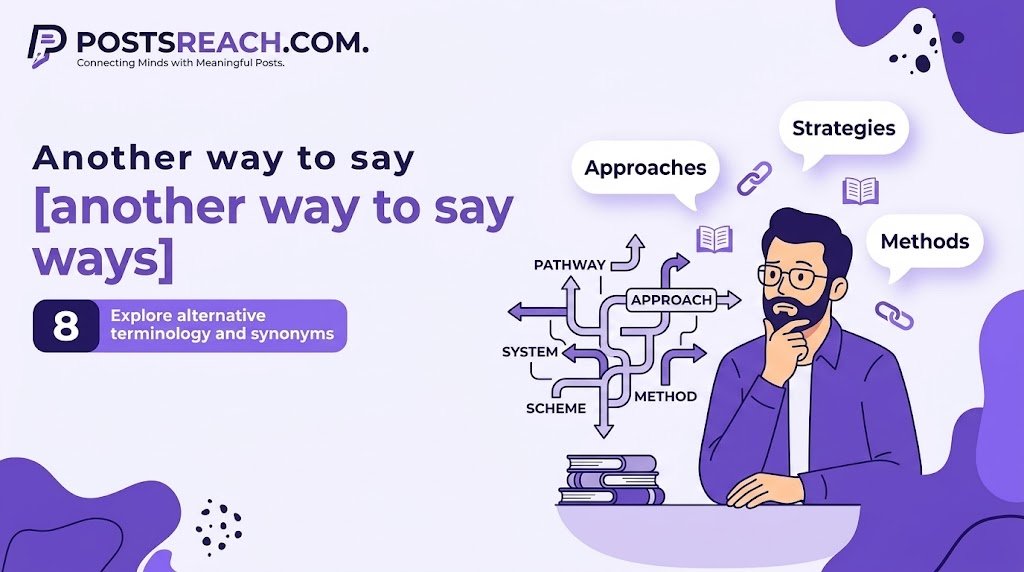
Another way to say “ways” includes methods, approaches, means, options, strategies, techniques, paths, routes, and manners. The best alternative depends on context. Use “methods” for specific ways of doing something, “approaches” for different ways of handling an issue, and “options” when referring to available choices.
Key Takeaways
- “Ways” can describe methods, choices, approaches, paths, or manners.
- “Methods” is a strong choice when describing how something is done.
- “Approaches” works well for problem-solving, business, and professional writing.
- “Options” is better when “ways” means available choices.
- Always choose a synonym based on the specific meaning of “ways” in your sentence.
What Does “Another Way to Say Ways” Mean?
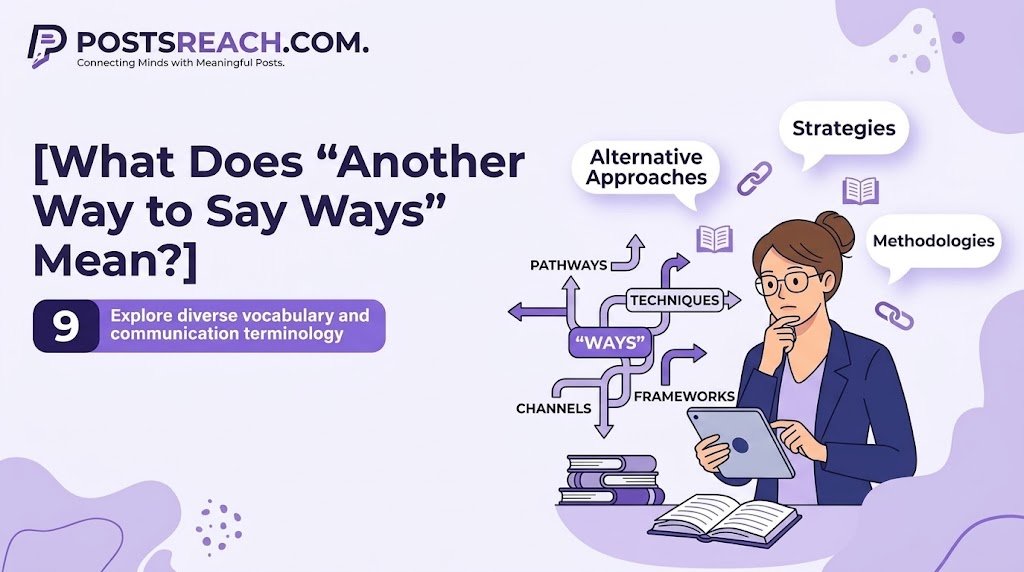
“Another way to say ways” means finding alternative words or phrases for “ways.” The word “ways” is very flexible and can refer to methods, choices, approaches, paths, or how someone behaves.
For example, “There are several ways to solve the problem” means there are several methods or approaches. However, “There are several ways to get there” may refer to routes or paths.
People often look for alternatives to “ways” when writing an article, essay, email, report, or professional document. Choosing a more specific word can make the sentence clearer and prevent repetitive wording.
Why Use Other Ways to Say “Ways”?
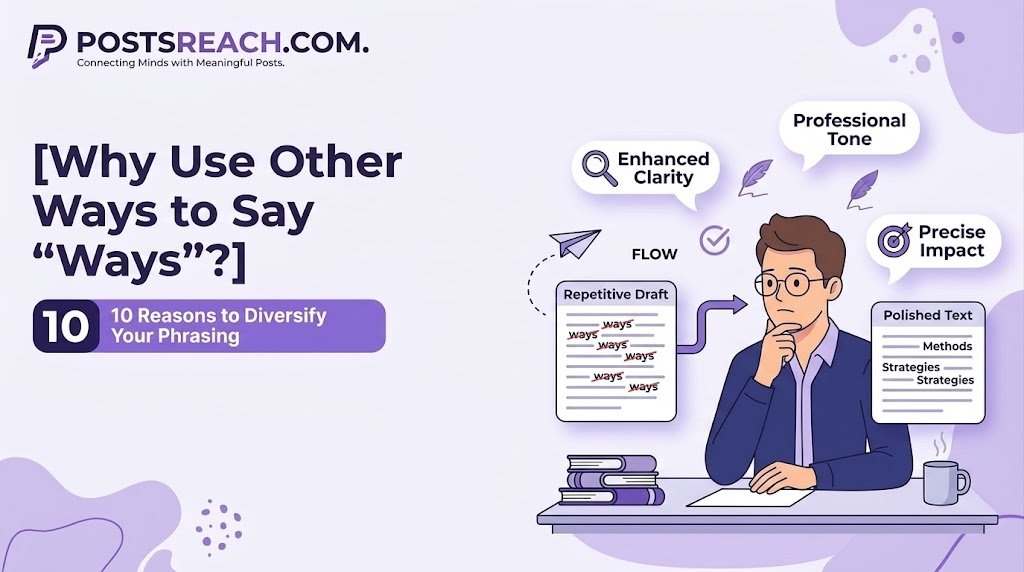
Although “ways” is common and natural, repeating it too often can make writing sound basic or vague. A more precise alternative can tell readers exactly what you mean.
Using different alternatives can help you:
- Avoid repeating the same word.
- Make your writing more specific.
- Match formal and professional contexts.
- Explain methods or procedures more clearly.
- Describe choices, strategies, or approaches accurately.
- Make academic and business writing more polished.
10 Best Other Ways to Say “Ways”
1. Methods
Meaning
“Methods” refers to specific procedures or systems used to accomplish something. It is one of the closest alternatives to “ways” when you are talking about how a task is performed.
Best For
Professional, Formal
Example 1
We tested several methods for improving customer response times.
Example 2
The researchers compared different methods of collecting the data.
Quick Tip
Use “methods” when “ways” means specific procedures for doing something.
2. Approaches
Meaning
“Approaches” describes different ways of dealing with a problem, situation, project, or goal. It often suggests that people can choose different strategies depending on their circumstances.
Best For
Professional, Formal
Example 1
The team considered several approaches to reduce operating costs.
Example 2
Different teaching approaches can help students understand difficult concepts.
Quick Tip
“Approaches” is especially useful when discussing problem-solving, management, education, or business decisions.
3. Means
Meaning
“Means” refers to a method or method of achieving a particular result. It is often used in formal writing and commonly appears in phrases such as “by means of” or “a means of.”
Best For
Formal, Professional
Example 1
Social media has become an effective means of reaching new customers.
Example 2
Public transportation provides a convenient means of traveling around the city.
Quick Tip
Use “means” when you want to emphasize how something helps achieve a specific purpose.
4. Options
Meaning
“Options” refers to choices that are available to someone. It works when “ways” means different possibilities rather than different methods.
Best For
Professional, Casual, Friendly
Example 1
We have several options for completing the project before Friday.
Example 2
Customers can choose from three payment options.
Quick Tip
Use “options” only when the original meaning involves choices or possibilities.
5. Strategies
Meaning
“Strategies” refers to planned actions designed to achieve a goal. The word usually suggests that someone has considered a situation and chosen a deliberate course of action.
Best For
Professional, Formal
Example 1
The company developed new strategies for attracting local customers.
Example 2
Students can use different study strategies when preparing for exams.
Quick Tip
Choose “strategies” when the “ways” involve planning and a specific objective.
6. Techniques
Meaning
“Techniques” are specific skills, procedures, or methods used to perform an activity effectively. The word is common in fields such as writing, design, sports, research, and education.
Best For
Professional, Formal
Example 1
The photographer uses several techniques to improve indoor lighting.
Example 2
These writing techniques can make your introductions more engaging.
Quick Tip
Use “techniques” when you are describing practical methods or skills used during a particular activity.
7. Paths
Meaning
“Paths” can refer to literal routes or figurative directions toward a goal. It is often used when describing personal, professional, educational, or career choices.
Best For
Casual, Friendly, Warm
Example 1
There are several paths you can take to build a career in technology.
Example 2
The program gives students multiple paths toward completing their degree.
Quick Tip
Use “paths” when you want to emphasize different directions or journeys toward an outcome.
8. Routes
Meaning
“Routes” usually refers to different directions or courses used to reach a destination. It can also be used figuratively for different ways of reaching a goal.
Best For
Professional, Casual, Formal
Example 1
There are several routes to the airport, depending on traffic.
Example 2
The company explored alternative routes for delivering products to customers.
Quick Tip
“Routes” is most natural when “ways” refers to physical travel or a clear course toward a destination.
9. Manners
Meaning
“Manners” can mean ways of doing something, especially when describing behavior or how an action is performed. However, it is more limited than “ways” and often relates to conduct or style.
Best For
Formal, Professional
Example 1
The information can be presented in several different manners.
Example 2
People express disagreement in different manners depending on their culture and background.
Quick Tip
Use “manners” carefully because “manners” commonly refers to social behavior and etiquette.
10. Courses of Action
Meaning
“Courses of action” refers to different actions someone could take in response to a situation. It is useful when a decision requires comparing possible responses or plans.
Best For
Professional, Formal
Example 1
The manager discussed several courses of action before making a decision.
Example 2
We need to consider our available courses of action before responding to the complaint.
Quick Tip
Use “courses of action” when “ways” means possible responses or decisions in a specific situation.
Comparison Table
| Alternative | Best Used In | Tone |
|---|---|---|
| Methods | Procedures and processes | Professional |
| Approaches | Problems and situations | Professional |
| Means | Achieving a specific goal | Formal |
| Options | Choices and possibilities | Neutral |
| Strategies | Planned actions and goals | Professional |
| Techniques | Practical skills and procedures | Professional |
| Paths | Directions toward a goal | Casual/Neutral |
| Routes | Travel or courses toward an outcome | Neutral |
| Manners | Behavior and styles of doing something | Formal |
| Courses of Action | Decisions and possible responses | Formal/Professional |
Common Mistakes
1. Treating Every Synonym as Identical
The alternatives above do not always mean exactly the same thing. “Methods” usually means procedures, while “options” means choices. Replacing “ways” without checking the intended meaning can make a sentence inaccurate.
2. Using “Strategies” for Simple Methods
A strategy normally involves planning toward a goal. If you are simply explaining how to complete a basic task, “method” or “technique” may be more precise.
3. Using “Manners” When You Mean Choices
“Manners” often relates to behavior or the style in which something is done. It usually does not mean a list of available choices, so “options” may be better in that context.
4. Using Overly Formal Alternatives
Words such as “means” and “courses of action” can sound formal. They may fit a report or professional document but could feel unnatural in a casual conversation.
5. Ignoring the Sentence Context
The correct replacement depends on what “ways” means in the original sentence. Ask whether it refers to methods, choices, strategies, routes, or behavior before choosing a synonym.
Frequently Asked Questions
What is another word for ways?
Common alternatives for “ways” include methods, approaches, means, options, strategies, techniques, paths, and routes. The best word depends on the sentence. For example, “methods” works when discussing procedures, while “options” is more appropriate when discussing choices. There is no single replacement that works naturally in every context.
What is a professional way to say ways?
“Methods,” “approaches,” “strategies,” and “courses of action” are useful professional alternatives to “ways.” The choice depends on the subject. “Methods” works well for procedures, “approaches” suits problem-solving, and “strategies” suggests planned actions designed to reach a goal.
What is another way to say different ways?
You can replace “different ways” with phrases such as “various methods,” “different approaches,” “several options,” “multiple strategies,” or “alternative approaches.” Choose the phrase based on context. For example, “different methods” is suitable for a process, while “several options” is better when discussing choices.
What is a formal synonym for ways?
Formal alternatives include “methods,” “means,” “approaches,” and “courses of action.” “Means” is particularly common in formal writing when describing how a particular result can be achieved. “Courses of action” is useful when discussing decisions or possible responses to a situation.
Can “methods” replace “ways”?
Yes, when “ways” refers to procedures or processes. For example, “There are several ways to solve the problem” can become “There are several methods for solving the problem.” However, “methods” cannot replace “ways” in every sentence, especially when “ways” refers to routes, choices, or behavior.
What is another word for ways in an essay?
“Methods,” “approaches,” “means,” and “strategies” can work well in essays, depending on the topic. Academic writing benefits from precise vocabulary, so the best alternative should reflect the intended meaning. If you are discussing possible choices, “options” may be more accurate than “methods.”
What is another way to say “in many ways”?
Depending on the context, you could say “in several respects,” “in various respects,” “in different ways,” or “from several perspectives.” For academic or professional writing, “in several respects” can be useful when comparing different aspects of an issue rather than describing specific methods.
How do I choose the right synonym for “ways”?
First, identify what “ways” means in your sentence. If it means procedures, use “methods.” If it means problem-solving approaches, use “approaches” or “options.” For planned actions, use “strategies,” and for physical or figurative directions, consider “routes” or “paths.”
Conclusion
“Ways” is a broad word, so the best alternative depends on the meaning you want to express. Use “methods” when talking about procedures, “approaches” when discussing different ways of handling a situation, and “options” when referring to choices. “Strategies” works for planned actions, while “techniques” suits practical skills or specific procedures. If you are describing a direction toward a goal, “paths” or “routes” may be more natural. In formal writing, “means” and “courses of action” can provide greater precision. The key is not to replace “ways” with a synonym simply for variety. Instead, identify the exact idea behind the word and choose an alternative that communicates that meaning clearly. Precise word choice makes your writing easier to understand and more effective.

The PostsReach Editorial Team develops, reviews, and maintains the site’s published content. The team works across topics to ensure articles are clear, useful, well-structured, and consistent with PostsReach’s editorial standards. Content may be reviewed and updated as information changes.